
How Rapid Prototyping Helps Reduce Custom Part Development Time
Learn how rapid prototyping helps businesses develop custom parts faster, test designs, reduce production risks, and move efficiently toward small-batch manufacturing.
Read More
Learn how rapid prototyping helps businesses develop custom parts faster, test designs, reduce production risks, and move efficiently toward small-batch manufacturing.
Read More
Learn what to consider when choosing a CNC machining partner for custom precision parts, including equipment, materials, quality inspection, and production capability.
Read More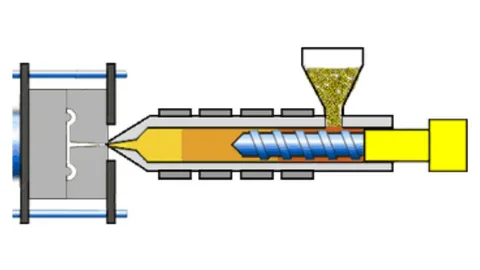
Learn how plastic injection molding works, from mold design and material selection to quality inspection. Explore custom injection molding and manufacturing solutions from DDM Parts.
Read More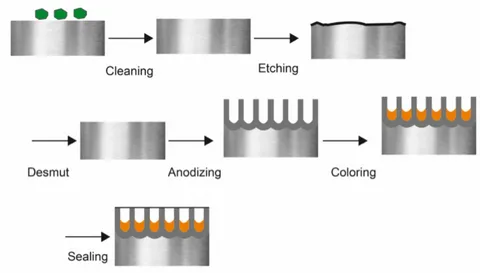
Learn what anodizing is and why it is used for aluminum parts. Discover how aluminum anodizing improves corrosion resistance, wear resistance, surface appearance, and durability.
Read More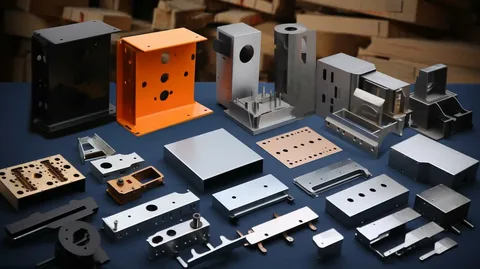
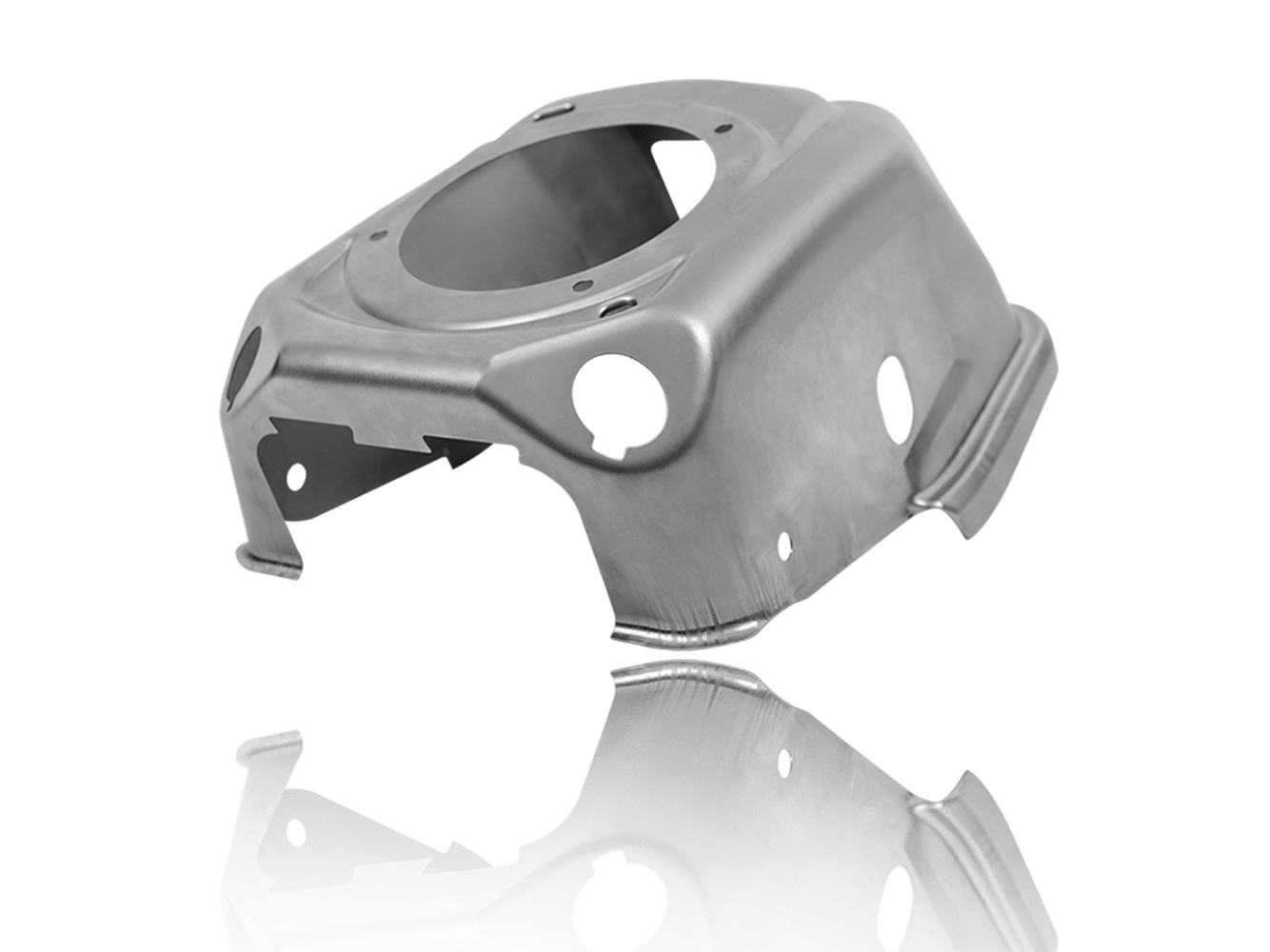
Learn how sheet metal fabrication works, from material selection and laser cutting to bending, trimming, welding, surface treatment, and inspection.
Read More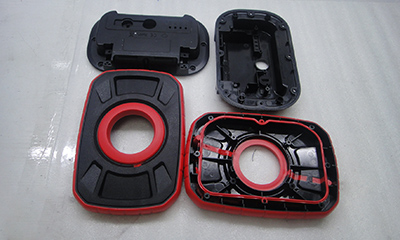
Learn how injection molding works, including mold design, material selection, machine setup, and production quality control for custom plastic parts.
Read More
Learn how CNC prototyping supports custom mold development, functional testing, dimensional validation, and design refinement. Discover how precision prototype machining helps manufacturers evaluate parts before moving to full-scale mold production.
Read More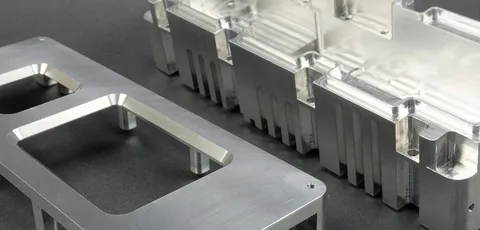
Learn how to get a prototype made from a 3D CAD model to finished prototype parts. Explore CNC machining, 3D printing, vacuum casting, materials, finishing, and inspection.
Read More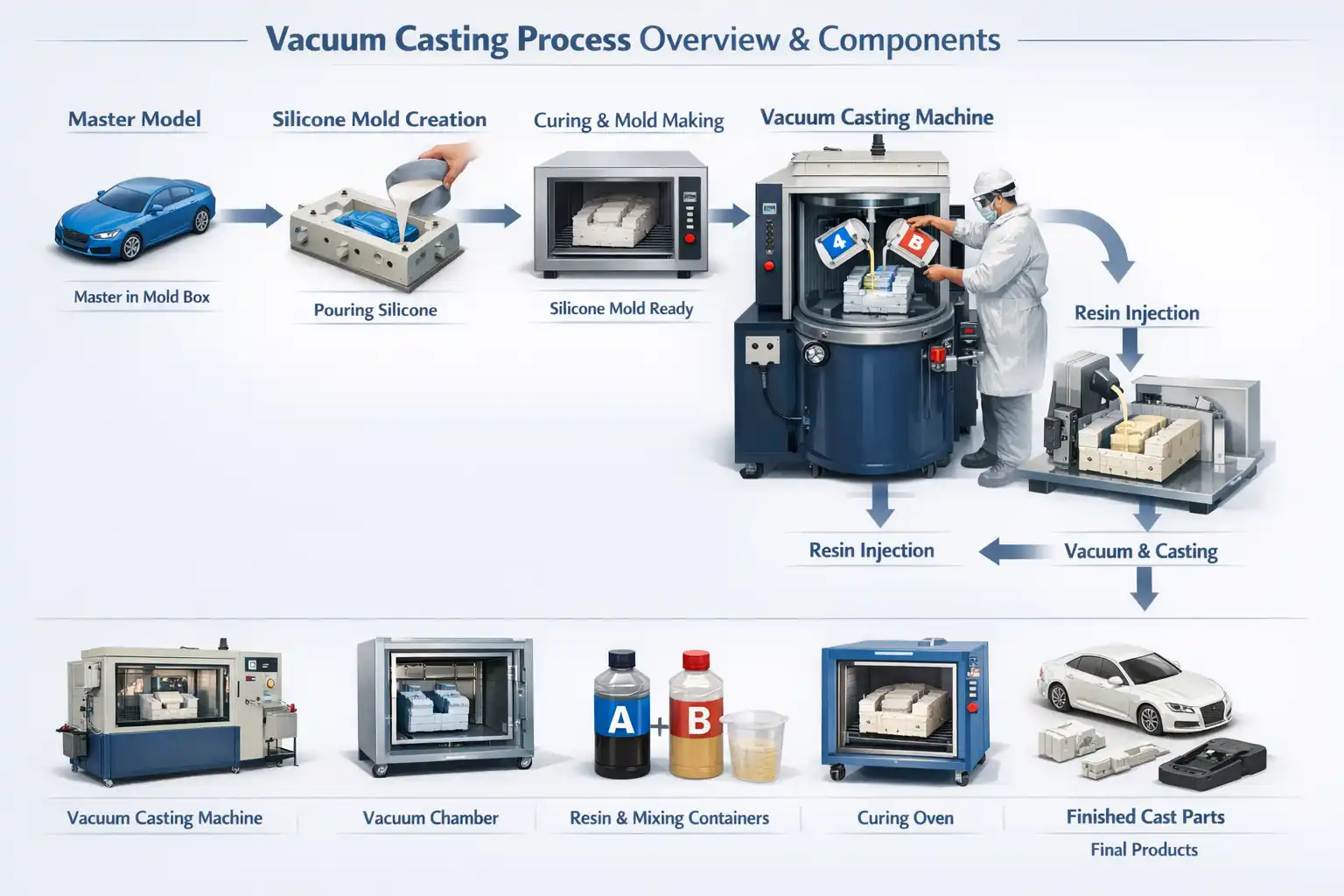
Learn how the vacuum casting process works from master pattern and silicone mold making to resin casting, finishing, and inspection. Explore vacuum casting services for prototypes and low-volume production.
Read More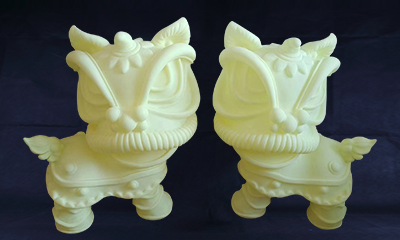
SLA and SLS 3D printing differ mainly in starting material—liquid resin versus powder—which affects surface finish, part handling, and cost; this guide breaks down which process fits different prototyping needs.
Read More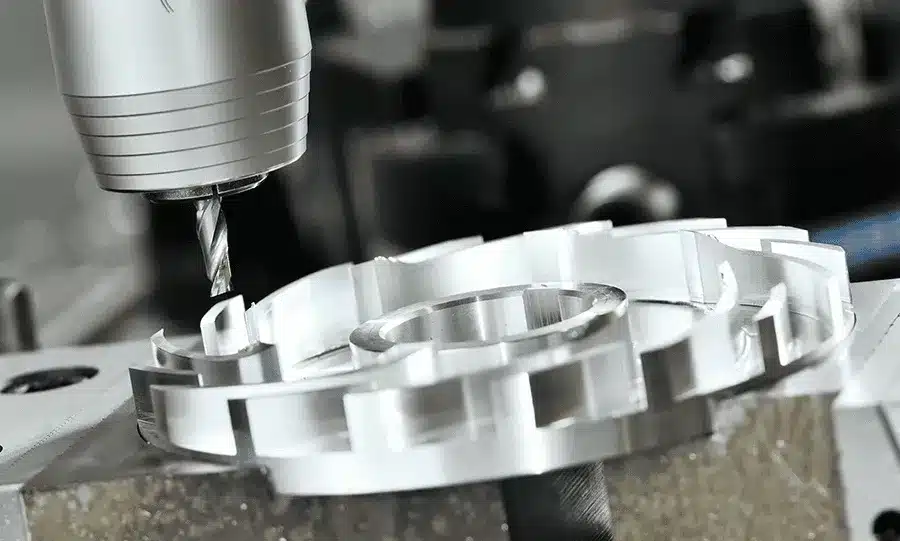
CNC machined prototypes are cut directly from a design file using CNC machining, delivering high precision and production-representative materials—this guide explains how the process works and when it fits better than vacuum casting.
Read More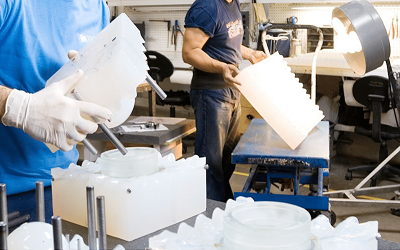
Vacuum casting uses a silicone mold to reproduce prototype parts with up to 99.8% accuracy, offering low tooling cost and fast turnaround for small-batch production—this guide explains how the process works and when it's the right fit.
Read More