
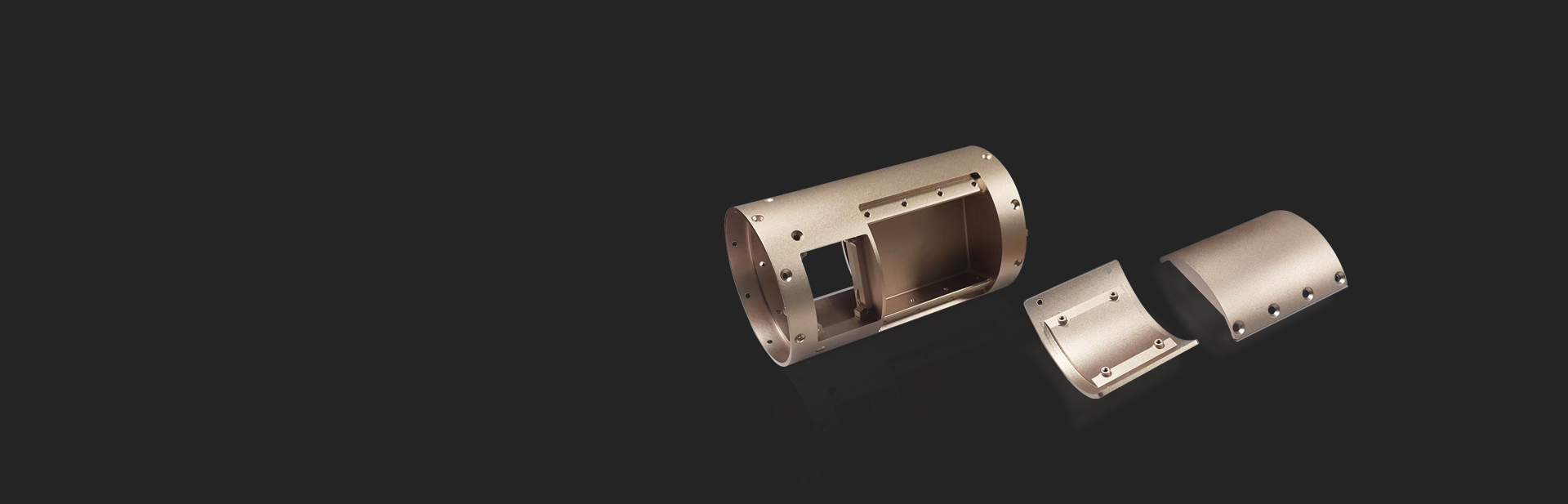
CNC Rapid Prototyping: How to Get Precision Prototype Parts Fast
CNC rapid prototyping is the fastest way to turn a CAD model into a precise, functional part in the real material you plan to use in production. Instead of building a mold, a CNC machine cuts the part directly from a solid block of aluminium, stainless steel or engineering plastic — which means no tooling cost, no minimum order, and tolerances that 3D printing cannot match. For parts that have to fit, move or carry load, it is usually the first process engineers reach for.
What Is CNC Rapid Prototyping?
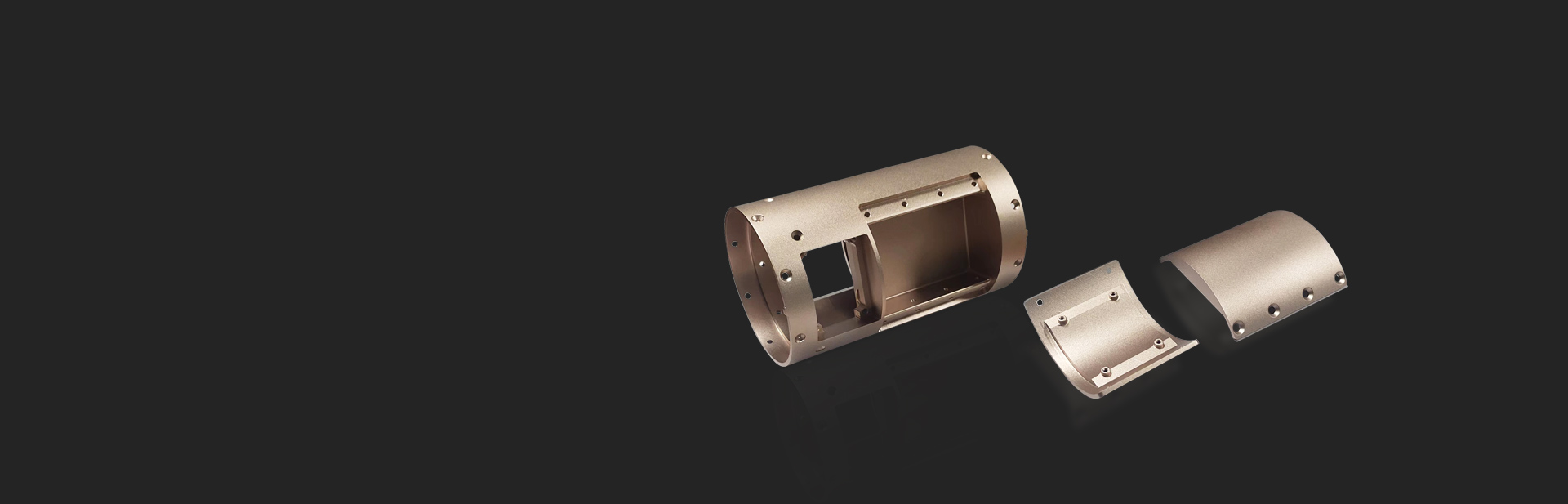
CNC rapid prototyping — also written as rapid cnc prototyping — uses computer-controlled milling and turning machines to machine a part straight from a CAD file. Because the material is removed from a solid block rather than built up layer by layer, the finished part has the same mechanical properties as a production part made by the same method.
That is the key difference from 3D printing. A printed part is a representation of your design; a CNC machined part is your design, in the material you specified, to the tolerance you asked for. When a prototype has to survive a drop test, a pressure test or a full assembly trial, that distinction matters.
How Does the CNC Rapid Prototyping Process Work?
A typical job runs through three stages.
Design review and DFM feedback
Before any material is cut, the drawing is reviewed for manufacturability. Thin walls, deep pockets, sharp internal corners and features that cannot be reached by a cutter are flagged, and practical suggestions are sent back. Catching these issues at the file stage avoids rework later — and it is free.
Machining
The part is programmed and cut on 3-axis, 4-axis or 5-axis machining centres, with turning, milling and EDM available for round parts, deep cavities and hard materials — a rapid prototype machining setup that covers both plastic and metal. Multi-axis machining allows complex geometry to be produced in fewer setups, which improves accuracy as well as speed. For tight-tolerance features, the machine is measured and adjusted between operations rather than relying on a single pass.
Finishing and inspection
After machining, parts can be deburred, sandblasted, anodised, plated, painted or polished, depending on how they will be used — see our materials and surface treatment page for the full list. Every batch is checked against the drawing with dimensional inspection before it ships, so you receive parts that are ready to assemble rather than parts you have to rework.
Which Materials Can Be Machined?
CNC rapid prototyping covers a wide material range, which is one of its main advantages over printing. For metal rapid prototyping it is usually the only practical route: machined aluminium, stainless steel and titanium behave exactly as they will in production, so the test results transfer directly to the final part.
| Category | Common options | Typical use |
|---|---|---|
| Metals | Aluminium, stainless steel, brass, copper, titanium, magnesium | Structural parts, housings, heat sinks, brackets |
| Engineering plastics | ABS, PC, POM, PMMA, PA, PP, PEEK, PTFE | Enclosures, gears, jigs, transparent covers |
| Composites | Carbon fibre sheet and tube | Lightweight structural and drone parts |
Because the part is cut from the real material, you can test it exactly as you would test the production version — no allowances for "it is only a prototype material".
How Does CNC Rapid Prototyping Compare With 3D Printing?
Both are fast, and both avoid tooling cost, so the choice usually comes down to what the part has to do.
3D printing wins on geometry freedom — internal channels, lattice structures and hollow shapes that no cutter can reach. It is also usually cheaper for a single part with complex form. CNC rapid prototyping wins on accuracy, material choice and surface quality: tolerances are tighter, the material is the real thing, and the surface finish is machined rather than layered. For anything that has to mate with another part, hold a thread or survive mechanical load, CNC is normally the safer choice.
Many projects use both — print the early concept models, then machine the parts that need to be tested properly. Send us your drawing and we will recommend the right process, with a quote, within 24 hours.
When Should You Choose CNC Rapid Prototyping?
CNC rapid prototyping is usually the right call when:
The prototype has to function — move, seal, carry load or survive impact.
You need tight tolerances, typically in the 0.01 mm range for precision parts.
The final product will be metal, and you want to test the real material.
You need a small batch — one part, ten parts, or a hundred — with no tooling investment.
The part has to look and feel like production quality for a customer or investor sample.
It is less suitable when the geometry is highly organic or internal, where 3D printing is more efficient, or when you already need thousands of identical parts, where injection molding becomes cheaper per unit.
What Should You Prepare Before Requesting a Quote?
To get an accurate quote quickly, send us:
A 3D file in STEP, STP, IGES or X_T format (2D PDF drawings are also accepted).
The material you want, or the performance you need if you are not sure.
The quantity required, and whether more will follow.
Critical tolerances and any mating parts the prototype must fit.
Surface finish and any post-processing, such as anodising or painting.
If you only have a rough sketch or a sample photo, send that instead — we can work from less and advise you on the rest.
Frequently Asked Questions
How fast can I get CNC prototype parts?
Simple parts can ship within a few working days of drawing approval. Lead time depends mainly on geometry, material and finishing, and is confirmed with the quote.
Is there a minimum order quantity?
No. CNC rapid prototyping starts at one part, and the same process scales to small and medium batches without tooling.
Can CNC prototypes be used as end-use parts?
Yes. Because they are machined from production material to production tolerance, they are often used directly as low-volume end-use components.
Is rapid prototyping CNC machining suitable for metal parts?
Yes. Metal is where CNC has the clearest advantage — you get a real aluminium, steel or titanium part with production-level mechanical properties, not an approximation. If your project is plastic and the geometry is simple, 3D printing may be cheaper; if it is metal, rapid prototyping CNC machining is normally the right route.
Do you sign an NDA before reviewing my drawings?
Yes. Your design files are treated as confidential and reviewed only by the engineers working on your project. Tell us if you need a signed NDA before you send the files.
Conclusion
CNC rapid prototyping gives you the accuracy of production machining without the cost of tooling. Working with rapid prototyping companies usually means choosing between speed and precision — we handle both in one place, from a single part to a small production run, alongside prototype model making and injection mold services. Send us your 3D file and the quantity you need, and our engineering team will confirm the right process, lead time and price within 24 hours. Contact us to start your project.